Newsletter Subscribe
Enter your email address below and subscribe to our newsletter
Enter your email address below and subscribe to our newsletter

 ByJohn A
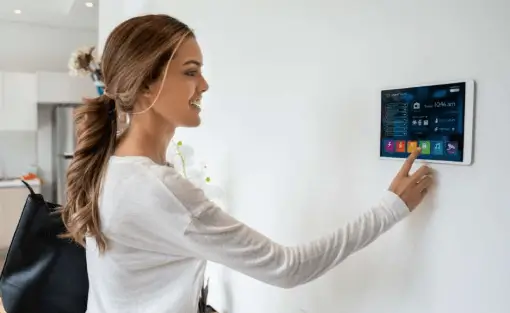
Smart devices streamline daily routines by automating routine tasks and coordinating actions across devices. They optimize wake times, schedules, and task sequences, reducing decision fatigue and energy use. Personalization adapts environments with minimal input, while unified control delivers predictable results. Accessibility via voice and non-intrusive interactions preserves autonomy. Transparent privacy controls and centralized orchestration support trust. The net effect is a concise shift in how convenience emerges, inviting further consideration of where this convergence leads next.
Smart devices streamline daily routines by automating mundane tasks and coordinating functions across devices. They orchestrate schedules, wake times, and routine sequences, reducing decision fatigue and speeding task completion.
This efficiency lowers energy usage by syncing appliance operation. However, awareness of data privacy emerges, as centralized systems collect usage patterns. The balance favors autonomy while preserving secure data handling.
The rise of user-driven customization enables devices to adapt environments with minimal input, translating preferences into immediate adjustments for lighting, climate, and entertainment.
Personalization latency emerges as a critical metric, measuring how swiftly systems respond to user signals.
Designers emphasize succinct feedback and predictable results, enabling Comfort customization without intrusion.
This approach preserves autonomy while enhancing convenience, balancing agility with user control and privacy considerations.
Unified control across devices hinges on interoperability and centralized orchestration. The approach enables seamless syncing and cross device harmony, reducing friction between ecosystems. It favors open standards, consistent APIs, and user-centric defaults, allowing rapid task execution without vendor lock-in. While extensions exist, the emphasis remains on predictable behavior, reliability, and transparent privacy controls that empower a freer, more productive user experience.
For both work and home tasks, smart helpers streamline routines by automating repetitive actions, prioritizing efficiency over novelty. These systems reduce cognitive load and manual steps, enabling faster decision-making and consistent outcomes.
Energy savings emerge through optimized heating, lighting, and scheduling. Voice control enhances accessibility, allowing users to adjust environments non-intrusively, sustaining momentum while preserving personal autonomy and freedom.
See also: How to Buy Cryptocurrency Safely in 2026
The security of smart devices varies; risks include security flaws, data breaches, and data sharing. Analysts note uneven privacy controls across brands, urging stronger encryption and regular updates, while consumers seek transparent policies to preserve freedom and control.
The answer: not always. Some smart devices can operate offline or with limited functionality, but many rely on internet for cloud processing and updates. Users should consider need internet, network reliability, and compatibility with new devices for optimal performance.
Ongoing costs vary, including subscription services, cloud storage, and firmware updates. Cost considerations include data plans and optional premium features, while connectivity requirements may demand reliable internet access and periodic device reboots to maintain functionality for autonomy.
“Put a fork in it.” Older non-smart devices can be upgraded with retrofit kits and upgradable appliances, enabling integration. The approach is analytical, concise, and aimed at freedom-loving users seeking practical, scalable, cost-conscious technology enhancements.
Users should review privacy settings, enable privacy controls, and apply data minimization. They can limit data sharing, disable voice recordings, and audit app permissions; ongoing monitoring preserves freedom while maintaining essential smart device usefulness.
Smart devices streamline daily routines by coordinating actions across systems, trimming decision fatigue and speeding task completion. Personalization adjusts environments with minimal input, while unified control enables predictable, cross-device harmony. The result is a more effortless balance between work and home, with efficiency gains that compound over time. Yet the overarching impact remains measured and transparent, underpinned by privacy controls and accessible—as well as autonomous—interaction. In short, convenience scales to enterprise-grade reliability, almost defying human effort.